IA



Description
Features
Options & Accessories
Range
Performance
Description
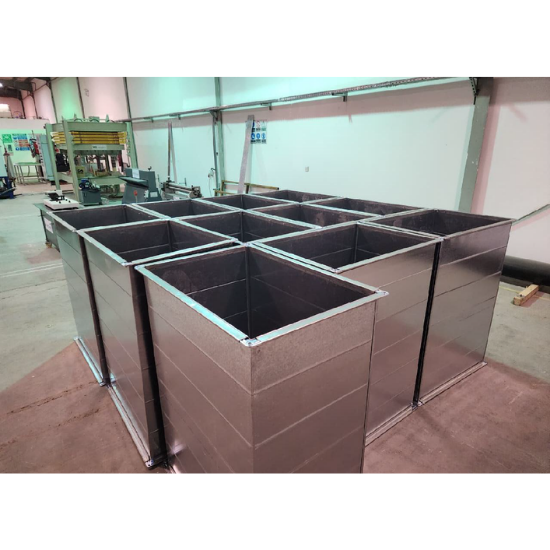
High-quality HVAC ducting systems available in single-wall, double-wall, and internally lined configurations, customized to project requirements. Manufactured using GI, aluminum, and SS304 materials with precision fabrication methods for superior strength, airflow efficiency, and durability. Designed to meet SMACNA and DW/144 standards for low, medium, and high-pressure applications.
- Types: Single-wall, Double-wall, Internally Lined.
- Sizes: Custom per project drawings.
- Material: GI (G90/Z275), Aluminum, SS304.
- Gauge Range: 0.5 mm to 1.2 mm.
- Fabrication: Pittsburgh lock, TDF flange, slip & drive.
- Pressure Classes: Low, Medium, High.
- SMACNA (2nd Edition-1995)
- SMACNA (2nd Edition-2005)
- DW/144
Features
| Available Products | 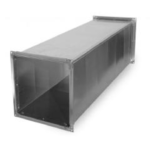 Straight: Basic rectangular duct with a length up to 2000 mm Straight: Basic rectangular duct with a length up to 2000 mm |
|
Multiple angles and radiuses are available to build Ducts with Elbows. 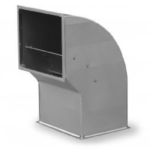 |
||
Elbow edge can also be produced using multiple angles and radiuses 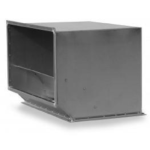 |
||
Branch Duct Distributes the air to various zones, rooms, or smaller supply ducts 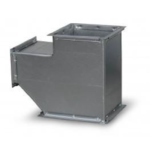 |
||
Offset: often used to bypass an obstruction while maintaining a parallel path 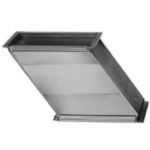 |
||
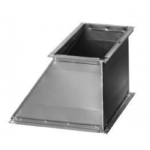
| Reducers: Create a smooth, gradual transition between two different cross-sectional areas
|
||
Duct Extension: is often necessary when an air distribution system is expanded 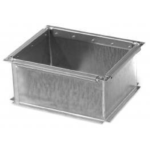 |
||
Duct Splitter: is often necessary to divide a main duct run into two separate branches. 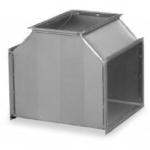 |
||
Three-way splitter is often necessary to divide a main duct run into three separate branches. 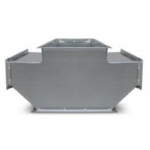 |
||
Flexible Duct Connector: isolating vibrations and noise generated by the fan or blower within the equipment 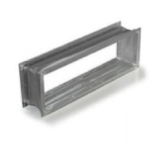 |
||
Square to Round: facilitating the connection between different shapes, rectangular duct, and round equipment 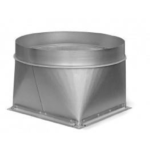 |
||
SILENCER: significantly reduces the transmission of noise generated by air handling equipment 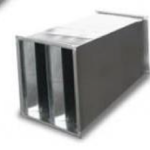 |
||
Transverse joint (slip and drive) is used to connect two sections of rectangular HVAC ductwork end-to-end 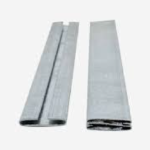 |
||
Transverse joint (Slide on Flange): duct connection where flanged ends of duct sections slide onto each other and are secured 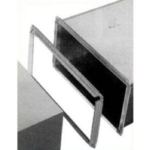 |
||
Transverse joint (Companion Angle) The two identical steel angle frames that are fabricated and attached to the ends of the mating duct sections 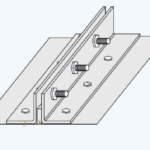 |
Options & Accessories
Contact Us for model selection and performance details
Range
Contact Us for model selection and performance details
Performance
Contact Us for model selection and performance details